Home › Our latest news › Temporary vs Permanent Radar Speed Signs: Which One Should You Choose ?


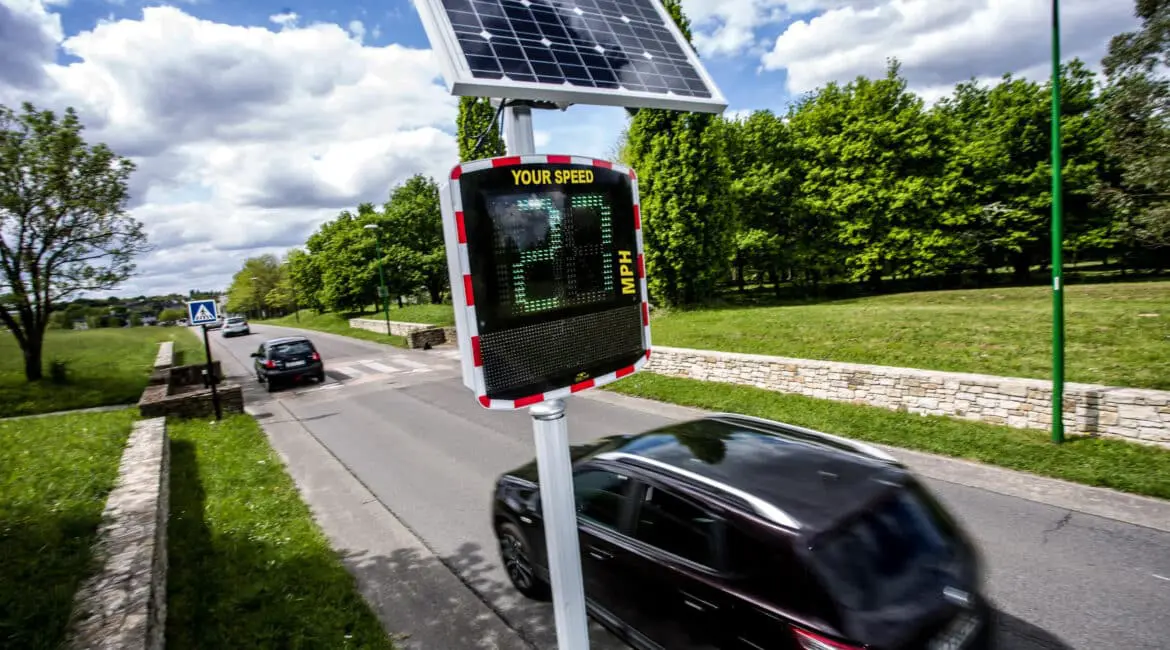
When searching for a portable radar speed sign, you’re likely looking for a temporary and versatile traffic safety solution that can be quickly deployed on various roads. These signs are designed to encourage drivers to slow down by displaying their real-time speed. Compact and efficient, they often utilize solar-powered technology and include a battery backup, ensuring reliable operation in diverse locations—ranging from school zones to construction sites—without needing a permanent connection to the grid. These radar speed signs are the perfect choice for situations requiring a flexible and easy-to-use traffic calming tool that adapts to your needs rather than being limited to fixed installations.
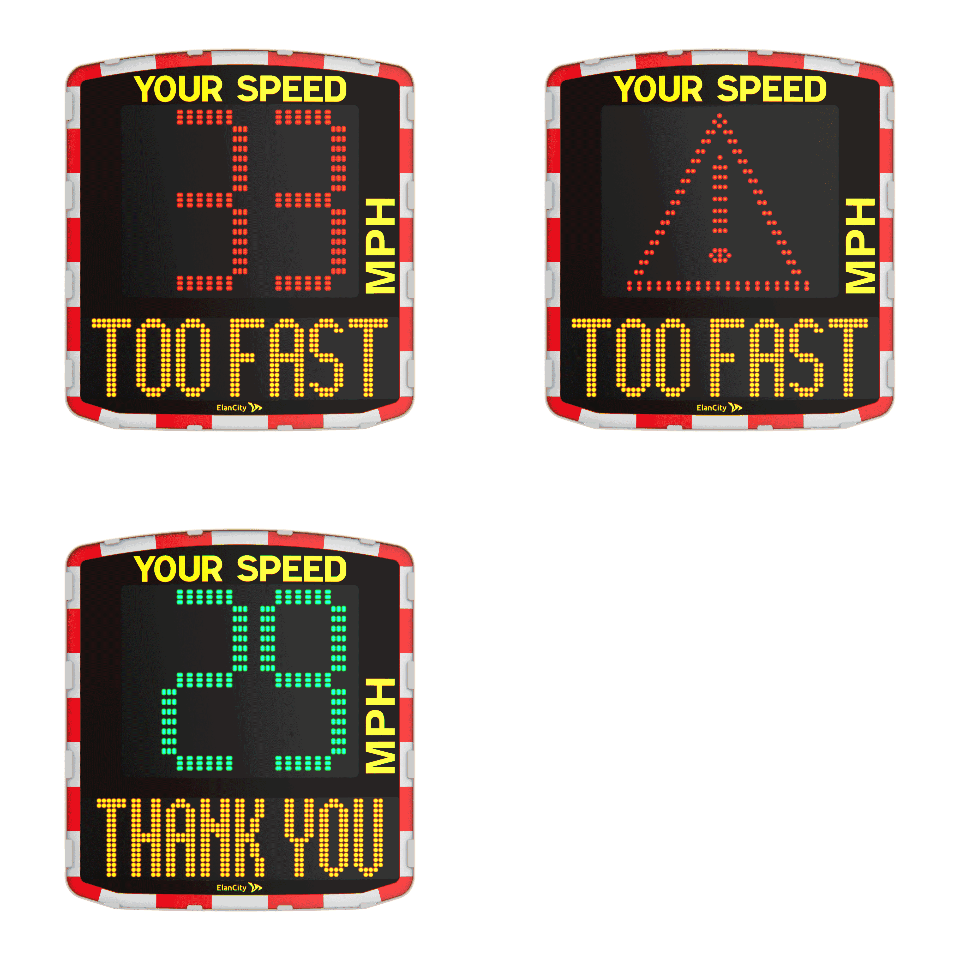
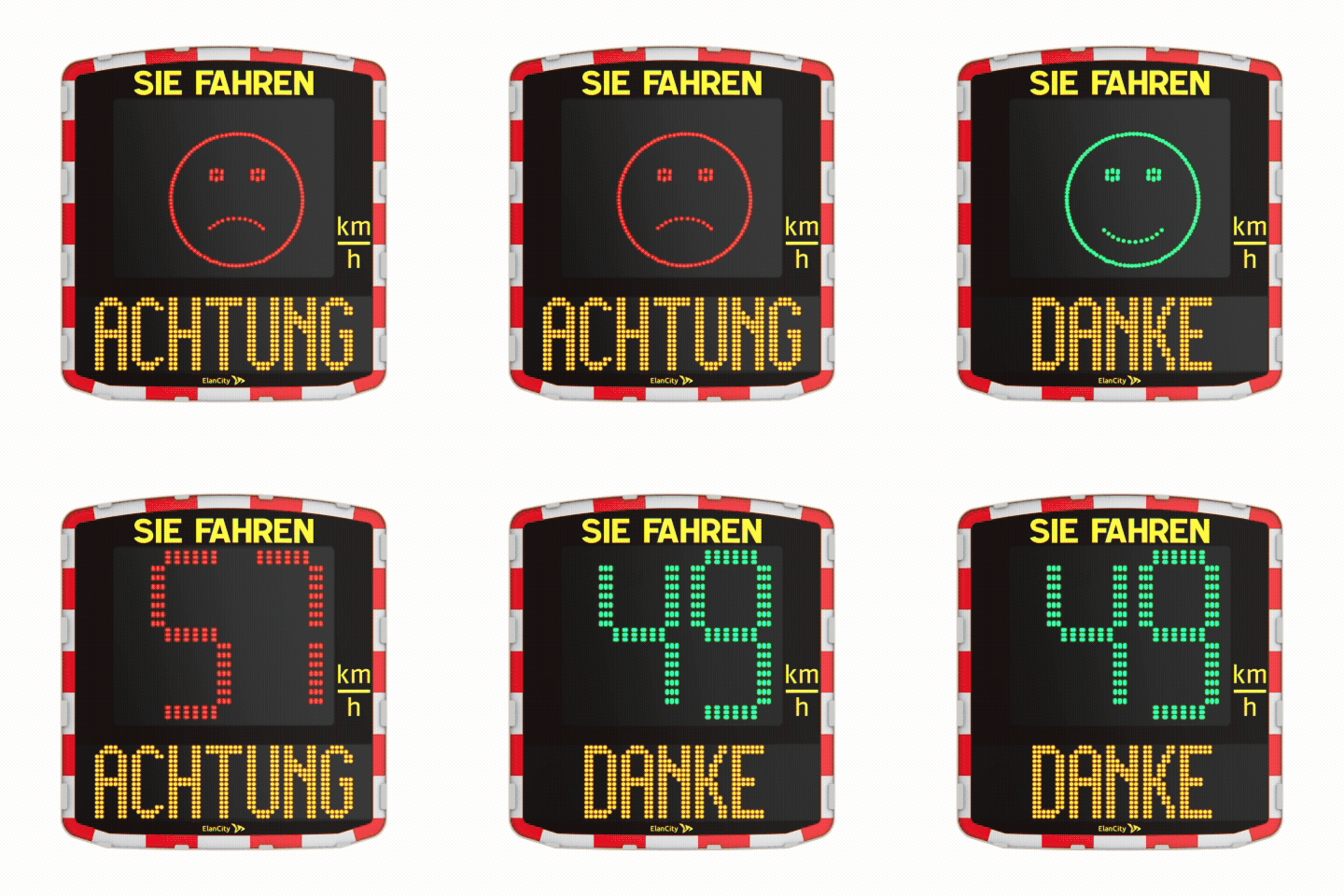
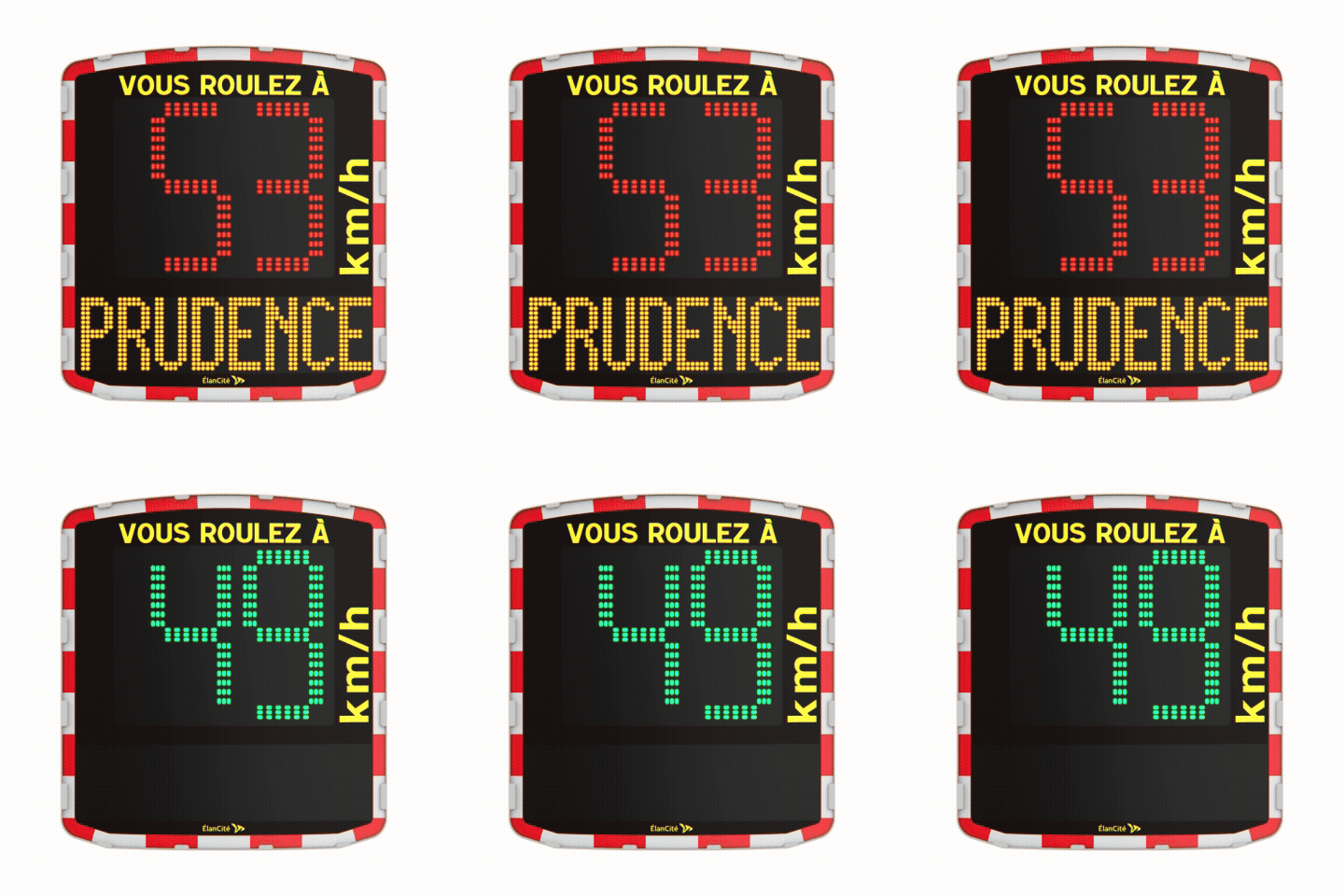
Temporary radar speed signs, also known as portable or trailer-mounted speed feedback signs, are mobile devices that utilize radar technology to detect vehicle speeds and display them in real time. These signs are typically deployed in high-risk areas such as work zones, school zones, and residential streets to encourage drivers to self-correct their speed. Unlike permanent speed signs, temporary units can be relocated as conditions change, making them ideal for seasonal traffic patterns, construction projects, and special events.
One of the key advantages of temporary radar speed signs is their flexibility; they can be installed where and when they are needed most and easily moved to another location without requiring costly infrastructure changes. Many units are solar-powered and weather-resistant, ensuring reliable operation even in remote or temporary settings without access to a permanent power source. Compared to permanent speed signs, these temporary solutions offer adaptability that is well-suited for dynamic environments where mobility is essential.
Studies have shown that these signs can reduce vehicle speeds by several miles per hour, particularly in areas where speed awareness is critical, such as near schools or construction zones. They also provide a non-punitive, data-driven approach to traffic calming, offering enforcement agencies valuable speed data without the need for continuous on-site patrols.
This combination of portability, effectiveness, and relatively low maintenance makes temporary radar signs a cost-effective solution for short-term and project-specific speed management.
Despite their benefits, temporary radar speed signs do have certain limitations. Their impact is often localized, meaning drivers may only slow down while the sign is in clear view and return to higher speeds after passing it.
Over time, some drivers may become habituated to the sign, reducing its effectiveness if it remains in the same location for extended periods. Additionally, proper placement is essential; signs must be positioned where drivers have adequate distance to react and must remain visible without causing glare or other distractions. Privacy and data collection policies should also be carefully addressed, particularly if the signs are integrated with cameras or long-term monitoring systems.
Finally, temporary radar speed signs should be part of a comprehensive traffic management strategy. They are most effective when combined with clearly marked speed limits, enforcement presence when necessary, and other complementary traffic calming measures, rather than being used as standalone solutions.
Permanent radar speed signs are designed to endure the challenges of outdoor environments, providing a reliable solution for continuous traffic management. Built with weather-resistant materials and sealed components, these signs remain functional even in extreme temperatures, high winds, and heavy rainfall.
Their fixed mounting systems ensure stability, minimizing the risk of damage or misalignment often associated with portable or temporary units. This robust construction leads to lower maintenance costs and fewer service interruptions, enabling municipalities and traffic agencies to depend on consistent performance for many years.
The steady presence of permanent radar speed signs fosters a lasting change in driver behavior. Unlike temporary displays that may be disregarded or seen as short-term measures, permanent signs become an integral and familiar part of the road environment.
Drivers begin to anticipate the feedback provided by the signs and proactively adjust their speeds, often before reaching the display. Over time, this encourages a general reduction in average speeds and fewer instances of speeding. The result is enhanced safety for all road users, along with a measurable decrease in collisions and related incidents.
Deciding whether to implement a temporary or permanent heating solution for an underheated building or space requires a careful assessment of several key factors. The choice will shape not only the immediate comfort of occupants but also the long-term financial, operational, and social impact of the project.
By systematically evaluating location and duration, budget and resources, and community impact, decision-makers can align their response with both practical constraints and broader community needs.
The physical location and the expected duration of the heating need are among the first considerations. In harsh climates, a temporary heating solution may be necessary simply to maintain health and safety during extreme weather, whereas in milder regions, short-term discomfort may be manageable without immediate intervention.
The planned duration of use—whether the building will be occupied for a few months, a single season, or many years—helps determine if the investment in a permanent system is justified.
Temporary solutions such as portable heaters or temporary boiler systems are well suited for short-term needs, such as during construction, renovation, or while awaiting funding approvals. In contrast, permanent heating systems are appropriate when the building is expected to remain in use for an extended period. The decision should also consider local infrastructure, such as access to gas lines, district heating networks, or reliable electricity supply, which may limit or enable certain options.
Budgetary constraints and available resources are critical determinants. Temporary heating solutions often involve lower upfront costs and can be deployed quickly, making them attractive when funds are limited or when emergency heating is required. However, they may carry higher operating costs over time and may require ongoing maintenance, fuel deliveries, or electricity use that can add up over the months.
Permanent heating systems typically require a larger initial investment, including design, equipment, and installation, but they usually offer better energy efficiency and lower long-term operating costs. Funding sources, such as grants, subsidies, or capital improvement programs, may be available specifically for permanent upgrades, making them more feasible than they first appear.
Organizations should also consider staffing and technical capacity: some permanent systems demand more skilled maintenance, while temporary systems may be simpler to operate but require more frequent monitoring.
The impact a heating solution has on the community should not be overlooked. Residents, tenants, staff, and other users may experience different comfort levels, noise levels, and disruptions depending on the chosen option. Temporary systems can sometimes be noisy, visually intrusive, or limited in where they can be placed, which may affect user satisfaction and overall perception of the organization’s responsiveness.
Engaging with the community early in the decision-making process can reveal important insights about priorities, sensitivities, and expectations. For example, a community may prefer investing in a permanent solution that signals long-term commitment, even if it takes longer to implement.
Alternatively, they may prioritize immediate relief and accept a temporary setup as a stepping stone. Gathering feedback through surveys, meetings, or consultation groups can help ensure that the chosen solution supports both comfort and trust, strengthening the relationship between service providers and the people they serve.
This article, designed as a decision-making tool, is aimed at communities and site managers looking to regulate speed in their local context. It reminds readers that the choice of a solution must consider the budget, safety objectives, the foreseeable duration of the problem, and the possibility of testing a solution before making a permanent investment. The mobility of the solution is also a key criterion to adapt to the changing needs of the area. By evaluating these elements, decision-makers can take concrete steps to enhance road safety and encourage more responsible behavior.
A temporary radar speed sign is movable and designed for short-term zones such as roadworks or temporary hazards. On the other hand, a permanent radar speed sign is fixed and marks a regular controlled area. Temporary signs often change location and may warn on chantier routes, while permanent speed signs remain in place and are usually accompanied by standard advance warning signage.
Portable radar speed signs are ideal for short-term projects or changing traffic needs because they are easy to move, quick to set up, and perfect for temporary use. Permanent signs, however, are better suited for long-term monitoring.
If your needs are short-term, involve movable use, or are for trial purposes, a temporary radar speed sign is more cost-effective. For sites with ongoing speeding issues and high pedestrian risks, a permanent radar speed sign is a better investment. Consider the upfront cost, a 10-year lifespan, and maintenance: permanent speed signs are only cost-effective if used continuously, while temporary signs are more affordable for testing or occasional deployment.
Yes, temporary radar speed signs are portable and can be moved between sites, making them suitable for changing traffic needs or short-term calming measures. In contrast, permanent speed signs are fixed in place and better suited for long-term use, with setup often tied to the site and power source.