Home › Our latest news › Ensure Work Zone Safety with Speed Indicator Devices


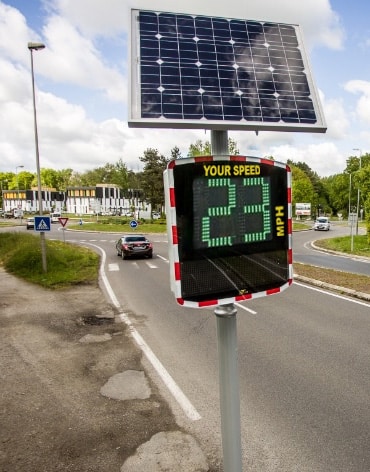
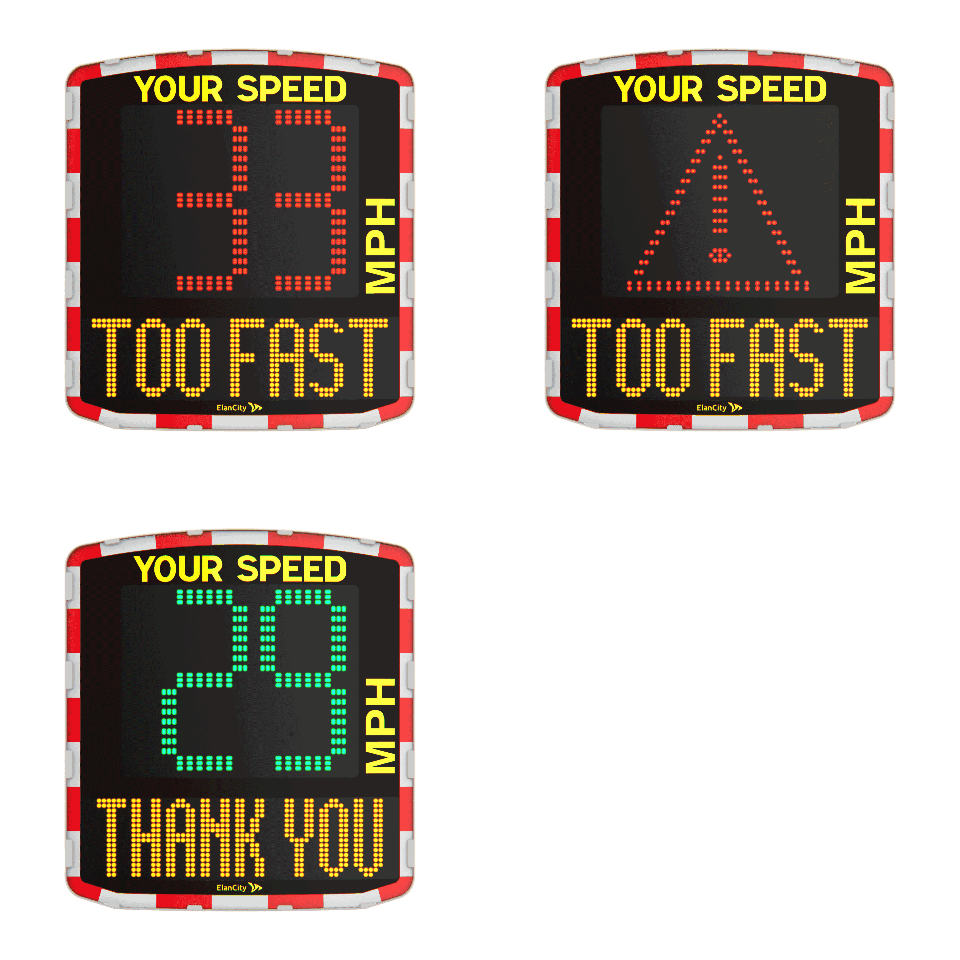
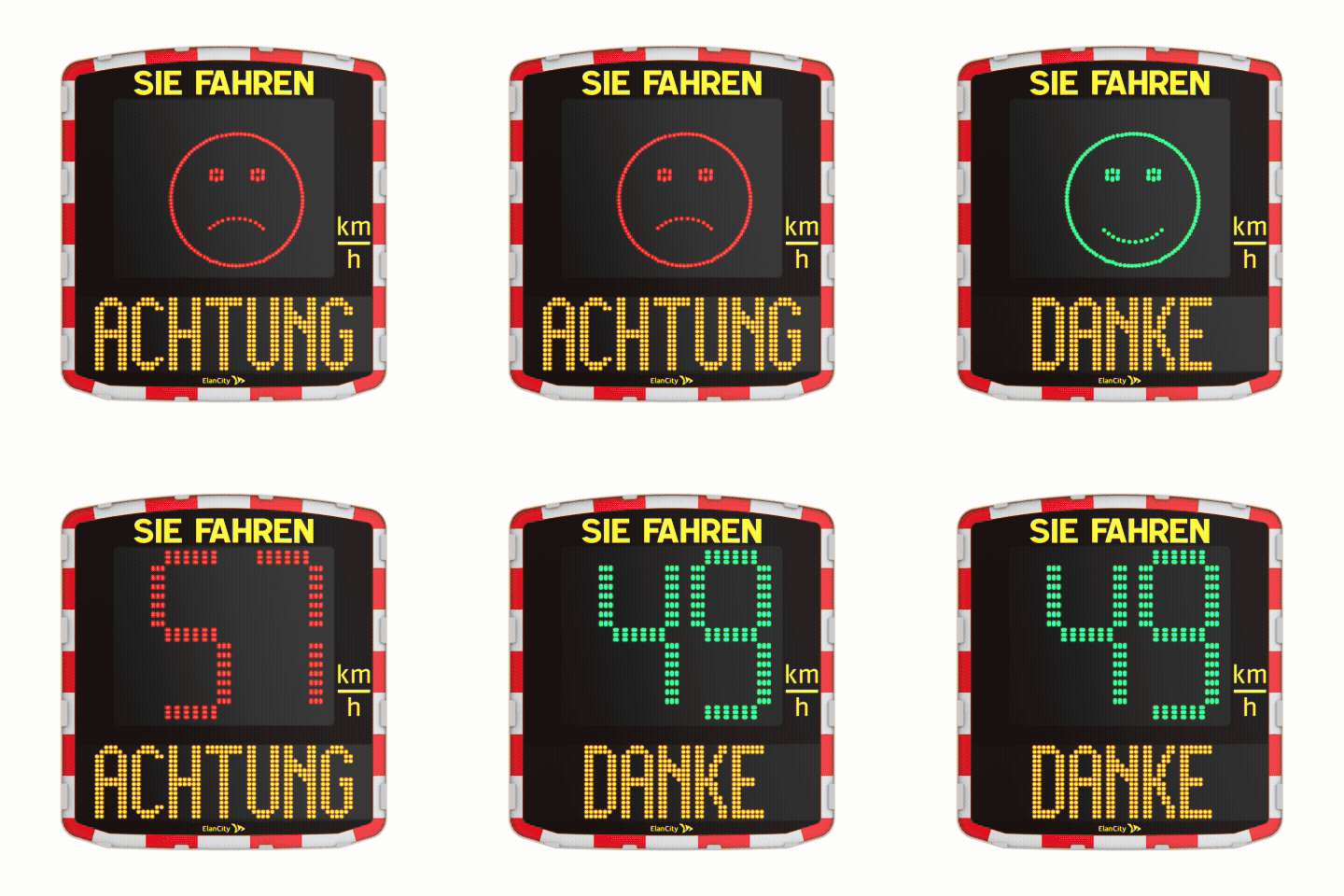
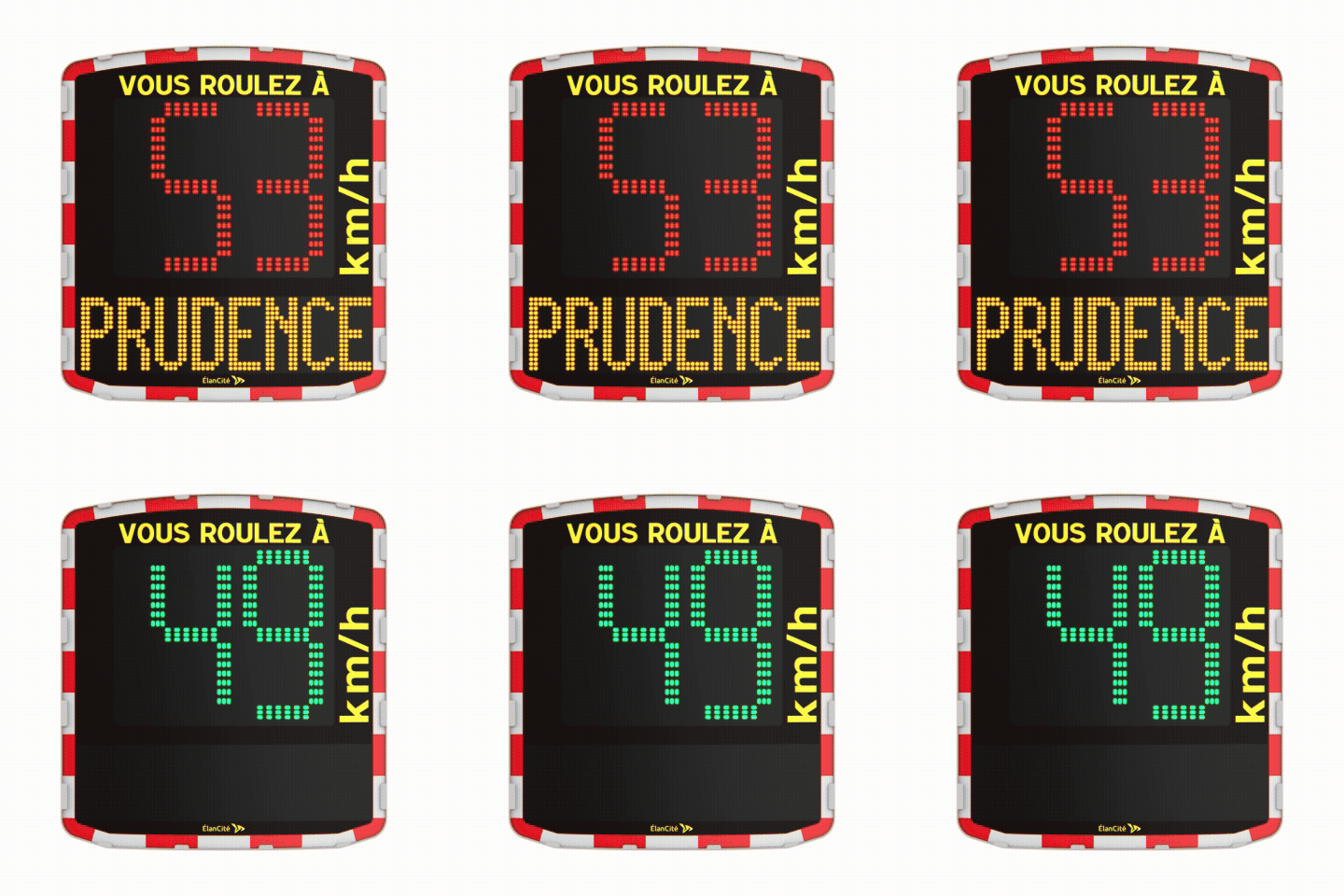
Speed indicator devices—often called dynamic speed display signs or speed feedback displays—are becoming increasingly important tools for managing vehicle speeds in highway work zones. These signs capture the speed of an approaching vehicle and display it in large, bright digits, typically placed right before or within the work zone area.
By providing instant feedback alongside the posted work-zone speed limit, these devices create a real-time interaction with drivers that static signs alone cannot achieve.
Many drivers either overlook or quickly forget the posted speed limit when entering a work zone, especially if they are traveling fast or if work-zone signage is spaced far apart. Speed indicator devices counteract this by displaying the driver’s current speed, often paired with a reminder of the speed limit.
This personalized feedback grabs attention more effectively than traditional signs, compelling drivers to confront their own speed in relation to the work-zone conditions.
Typically positioned at the work-zone entry point and sometimes at key interior locations, these devices help drivers transition from regular-speed driving to a more cautious, work-zone mode. Real-time information, especially when combined with message boards and flashing beacons, raises awareness before drivers reach the active work area, allowing them to adjust their speed smoothly.
The primary aim of speed indicator devices is not just to raise awareness but to encourage behavioral change. Studies in operational work zones have demonstrated that these displays can reduce average vehicle speeds by several miles per hour and significantly lower the percentage of drivers exceeding the posted speed limit.
When drivers see their speed prominently displayed and realize it is above the limit, many instinctively slow down, even if they initially had no intention of doing so.
Speed feedback signs also reduce speed variance—ensuring vehicles travel at more consistent speeds within the work zone. This smoothing effect makes traffic flow more predictable and minimizes sudden braking, lane changes, and tailgating. In short-term and rural work zones where enforcement may be limited, these devices serve as a constant, visible reminder that promotes consistent speed compliance, bridging the gap between driver behavior and posted speed limits.
Lower and more uniform speeds directly improve safety for workers near the roadway. Slower-moving vehicles have longer stopping distances and reduced impact energy, leading to fewer severe crashes and less severe injuries when collisions occur.
By reducing the number of vehicles traveling above the posted limit, speed indicator devices mitigate the risk of high-speed run-off-road and rear-end crashes that endanger both workers and motorists.
In connected work-zone systems, speed management devices can integrate with worker-detection sensors and variable speed limit trailers, allowing the displayed limit to automatically adjust when workers are present. This ensures that the posted speed aligns with the actual risk level, providing drivers with timely reminders when danger is highest. Over time, this combination of awareness, behavioral change, and adaptive speed limits creates a safer environment where workers are better protected from the hazards of traffic in active construction areas.
Speed indicator devices (SIDs) deployed in work zones fall into several categories, each tailored to different traffic conditions and operational needs. The most common types include portable dynamic speed display signs (DSDS), radar-equipped feedback trailers, and integrated work zone digital speed limit (WZDSL) systems. Portable DSDS units are typically mounted on trailers or carts and display a vehicle’s instantaneous speed, often with flashing beacons when the speed exceeds the posted limit.
Radar-enabled trailers combine radar-based speed detection with large LED displays and can be paired with variable message signs to provide additional safety prompts. More advanced configurations integrate SIDs with digital speed limit displays, allowing the posted speed to change dynamically in response to worker presence or shifting work activities.
These devices are especially effective in rural high-speed work zones where drivers may be less aware of sudden changes in the roadway environment. The combination of real-time speed feedback and visible warning messages helps cue drivers to adjust their speed well before entering the work area.
Moreover, many SIDs used in work zones are designed to comply with MUTCD standards for sign placement and conspicuity, ensuring that the devices themselves become reliable components of the overall traffic control plan rather than sources of distraction or confusion.
One of the primary decisions in selecting an SID for a work zone is whether to use a mobile or permanent installation. Mobile SIDs are typically trailer-mounted or dolly-mounted units that can be relocated as work progresses along the corridor. These systems are well-suited to short-term or mobile operations where the work area shifts frequently, such as lane striping, shoulder work, or moving maintenance crews.
Their portability allows agencies to deploy speed feedback wherever it is most needed, without requiring extensive permanent infrastructure.
In contrast, permanent SIDs are post- or pedestal-mounted units installed at fixed locations where lower speed limits or enhanced driver awareness are expected to be long-term requirements. Permanent installations are often used at recurring work sites, such as frequent maintenance areas or urban corridors with recurring construction, as well as in high-crash or high-worker-exposure locations.
While permanent SIDs require higher initial investment and installation effort, they can provide continuous speed feedback and data logging, supporting ongoing safety monitoring and enforcement strategies.
High-efficiency SIDs combine robust hardware with intelligent features that maximize their impact on driver behavior while minimizing operational burden. Key features include long-range radar or lidar speed detection, high-brightness LED displays that remain visible in daylight and adverse weather, and programmable trigger thresholds that control when the display flashes or changes color. Many modern units also incorporate variable message signs that can alternately display the driver’s speed, the posted limit, and advisory messages such as “Slow Down Now” or “Workers Ahead,” depending on speed and operational status.
Advanced systems support remote monitoring and configuration via cellular or wireless networks, allowing traffic engineers to adjust speed thresholds, rotate messages, or verify device status without visiting the site. Some high-efficiency SIDs integrate with connected work zone platforms, enabling automatic display of a lower speed limit when workers are detected on site or when the work zone status changes. Additional features such as tamper-resistant enclosures, vandal-resistant screens, and flexible power options (solar, battery, or grid-connected) enhance reliability in demanding field conditions.
When properly deployed and maintained, these features collectively improve the effectiveness of SIDs in reducing vehicle speeds, increasing driver compliance, and safeguarding workers in and around active work zones.
Effective implementation begins with thoughtful placement in both physical spaces and organizational workflows. Strategic placement ensures tools, resources, and personnel are positioned where they can be most impactful, avoiding bottlenecks or redundancies.
This process involves mapping out user journeys, peak interaction times, and high-traffic or high-risk zones to identify areas where interventions will deliver the greatest benefit.
To optimize placement, organizations should conduct contextual observations and analyze data on usage patterns, error rates, and access points. For example, positioning key decision-support tools or alerts precisely when users make critical decisions enhances adherence and minimizes deviations from best practices.
Cross-functional collaboration among operations, design, and frontline teams is essential to ensure placement decisions align with technical constraints and user behaviors.
It’s important to note that strategic placement is not static. As user needs, technologies, and environments evolve, periodic reassessment and realignment are necessary.
By employing iterative testing, A/B trials, and feedback loops, organizations can refine locations and positioning over time, ensuring implementation remains effective and user-centric.
Maintaining legal and regulatory compliance is essential for sustainable implementation. Organizations should start by identifying all applicable laws, standards, and industry-specific regulations, such as those related to data protection, safety, labor, and environmental requirements.
This foundational mapping defines the scope of compliance obligations and informs the design of compliant processes, contracts, and technical solutions.
Best practices recommend embedding compliance into workflows rather than treating it as an afterthought. This involves integrating compliance checks into standard operating procedures, authorization steps, and monitoring systems.
Clear policies, accessible training, and role-based responsibilities ensure everyone understands their role in compliance. Regular risk assessments and gap analyses help prioritize areas where controls or documentation may need strengthening.
Automated compliance monitoring and periodic internal audits enhance implementation by detecting deviations early, tracking regulatory changes, and generating reports to demonstrate adherence to stakeholders and regulators.
Transparent communication channels for reporting concerns or non-compliance issues empower employees to act as an early warning system, fostering a culture of accountability and continuous improvement.
Long-term success relies on robust maintenance and ongoing monitoring of implemented systems and processes. Initial deployment is just the beginning; sustained effectiveness requires defined schedules for routine checks, software updates, equipment servicing, and data quality assurance.
Comprehensive documentation should outline responsibilities, escalation paths, and recovery protocols to address issues promptly and consistently.
Monitoring efforts should focus on well-chosen performance indicators aligned with the original implementation goals. These metrics may include uptime, error rates, user satisfaction, completion times, or compliance audit scores.
Dashboards and automated alerts enable teams to detect anomalies, anticipate failures, and prioritize interventions. Trend analysis over time helps differentiate isolated incidents from systemic issues, guiding where refinements are most needed.
Feedback mechanisms are equally critical, incorporating both quantitative data and qualitative insights from users, managers, and external partners. Regular review cycles—such as monthly operational reviews or quarterly governance meetings—offer opportunities to assess progress, adjust strategies, and reallocate resources as necessary.
This continuous loop of measure, learn, and adapt ensures implementation remains aligned with evolving objectives, risks, and stakeholder expectations.
In conclusion, the journey we’ve explored underscores the importance of thoughtful action and continuous growth. While the essential points may not always be explicitly listed, their presence is felt in every step forward. Use the insights gained to guide your decisions and shape your path. Embrace change, stay curious, and never underestimate the impact of small, consistent efforts. Begin today by committing to one action that aligns with your goals and values. Your initiative now can create lasting change.
Speed indicator devices (also known as radar speed signs or dynamic speed feedback signs) are radar-based displays that show drivers their real-time speed in work zones. They enhance safety by reducing speeds by 10-20%, boosting compliance by 30-60%, and cutting crashes. Studies show drivers tend to slow down upon receiving feedback, even though speeds may rebound after the devices are removed.
Speed indicator devices provide real-time feedback on driver speeds, prompting immediate reductions of 5-8 mph in construction zones. This significantly lowers crash risks by improving compliance, with studies showing a 5-7% decrease in crash rates.
Key features of reliable work zone speed indicators include :
No, speed indicator devices (e.g., radar speed signs) are not required by law in work zones. Federal and state guidelines recommend speed limit signs and other enforcement tools but only mandate basic traffic control measures like barriers and reduced speed limits where applicable. However, these devices offer numerous benefits, including :