Home › Our latest news › Are speed bumps always the best solution for traffic calming ?


Speed bumps are among the most widely recognized traffic calming devices, commonly found on roads and in residential areas. Their purpose is to reduce vehicle speeds, ensuring safety for everyone. These raised ground surfaces are strategically placed across the road to encourage drivers to slow down, often to a low speed such as 15–20 mph.
When you notice a speed bump kit installed near your home or workplace, it’s typically part of a broader effort to enhance pedestrian safety, minimize noise, and prevent accidents caused by high-speed driving. These kits come in various materials, such as rubber and concrete, and can be securely fixed to tarmac or concrete surfaces using the appropriate fixings.
Speed bumps are one of the most visible tools for managing vehicle speeds, particularly in residential neighborhoods and other areas where traffic safety is a concern. When properly placed and designed, they can significantly reduce speeds and alter driver behavior.
Studies on traffic calming devices show that speed humps can lower 85th percentile vehicle speeds by an average of about 9–10 miles per hour, or roughly 18–25 percent, resulting in fewer accidents and less severe injuries when collisions do occur.
Because speed bumps force drivers to slow down repeatedly, they are often more effective than signs alone at encouraging compliance with posted speed limits. Research has found that roadways with speed bumps experience fewer crashes overall, and that the injuries in those crashes tend to be less serious.
In some studies, child injury or death odds dropped markedly for children living near traffic calming measures, underscoring how targeted speed control can protect vulnerable road users.
One of the primary advantages of speed bumps is enhanced safety for pedestrians, cyclists, and other road users. By reducing vehicle speeds, speed bumps lower the likelihood and severity of collisions.
Data from cities that have installed speed bumps show reductions in both crash frequency and injury rates, including a notable decrease in serious injuries for children in neighborhoods with traffic calming.
Speed bumps also promote more consistent speed limit adherence. When drivers know they will encounter a physical obstacle if they exceed the speed limit, they are more likely to drive at safer speeds throughout the entire corridor.
This can reduce the need for constant enforcement or additional signage, making speed bumps a relatively low-maintenance enforcement aid. In residential areas, this combination of lower speeds and improved compliance can help create an environment that supports walking, biking, and outdoor activity.
Despite their benefits, speed bumps also come with notable drawbacks. A major concern is the impact on emergency vehicle response times, as fire trucks, ambulances, and police cars must slow down to cross each hump safely. In some cases, each speed hump can add several seconds to response time, which can accumulate on streets with multiple bumps and delay critical services.
This has led some fire departments and municipalities to prefer speed cushions or alternative designs that allow wider emergency vehicles to pass with less disruption.
Other frequently cited disadvantages include increased noise, vibration, and air pollution, caused by repeated braking and acceleration. Speed bumps can also contribute to wear and tear on vehicles, higher fuel consumption, and local congestion during peak hours. Some residents also find speed bumps unsightly or disruptive to the character of their streets, and there are anecdotal reports that poorly placed bumps may encourage drivers to seek alternate routes or even drive off-road to avoid them.
When considering speed bumps, communities must therefore weigh these trade-offs against the safety improvements they provide.
While speed bumps are a familiar way to slow traffic, they are not the only—nor always the best—option available. Many communities are turning to design-based and technology-driven alternatives that calm speeds with less noise, vehicle wear, and negative impact on emergency-response times.
These alternatives include raised crosswalks and pedestrian islands, chicanes and road narrowings, and the use of advanced technologies.
Raised crosswalks are an increasingly popular traffic-calming measure that combine the functionality of a crosswalk with the gentle elevation of a speed table. By raising the crosswalk to sidewalk height and ramping it across the full width of the street, drivers are encouraged to slow down naturally, much as they would for a traditional speed hump but with a smoother profile. This design also places pedestrians at the driver’s eye level, improving visibility and reducing conflict points.
Studies show that raised crosswalks can significantly cut pedestrian crashes by slowing vehicles at high-visibility, mid-block crossings.
Complementing raised crosswalks are pedestrian refuge islands, or pedestrian islands, placed in the middle of wide or multi-lane roads. These islands allow pedestrians to cross one direction of traffic at a time, reducing the overall crossing distance and giving vulnerable users a safe place to wait between lanes. They are especially effective on four-lane or higher-capacity streets with moderate to high speeds, where they help shorten exposure time in traffic and give drivers a clearer view of crossing activity.
When combined with clear signage, markings, and sometimes landscaping, pedestrian islands can provide a calmer, safer crossing experience without relying on isolated speed bumps.
Chicanes are another physical alternative to speed humps that alter the geometry of the roadway to encourage lower speeds. A chicane typically uses offset curb extensions, planters, or bollards to create a gentle “S” curve in the travel lane, forcing drivers to slow and steer slightly through the bend. Because the narrowing is lateral rather than vertical, chicanes reduce speed without the abrupt jolt of a speed bump.
They are often used on residential or low-volume downtown streets where the goal is to maintain neighborhood flow while discouraging speeding.
More broadly, road narrowings—such as curb extensions (also called bulb-outs), lane reductions, or “road diets”—can calm traffic by reducing the perceived width of the street. When drivers see a narrower path, they instinctively slow down and pay more attention. Road diets that convert wide four-lane roads into two through lanes plus a center turn lane can shorten pedestrian crossing distances and reduce severe crashes significantly.
Together, chicanes and road narrowings create a continuous calming effect along a corridor rather than a series of isolated bumps, leading to a smoother and more predictable driving experience.
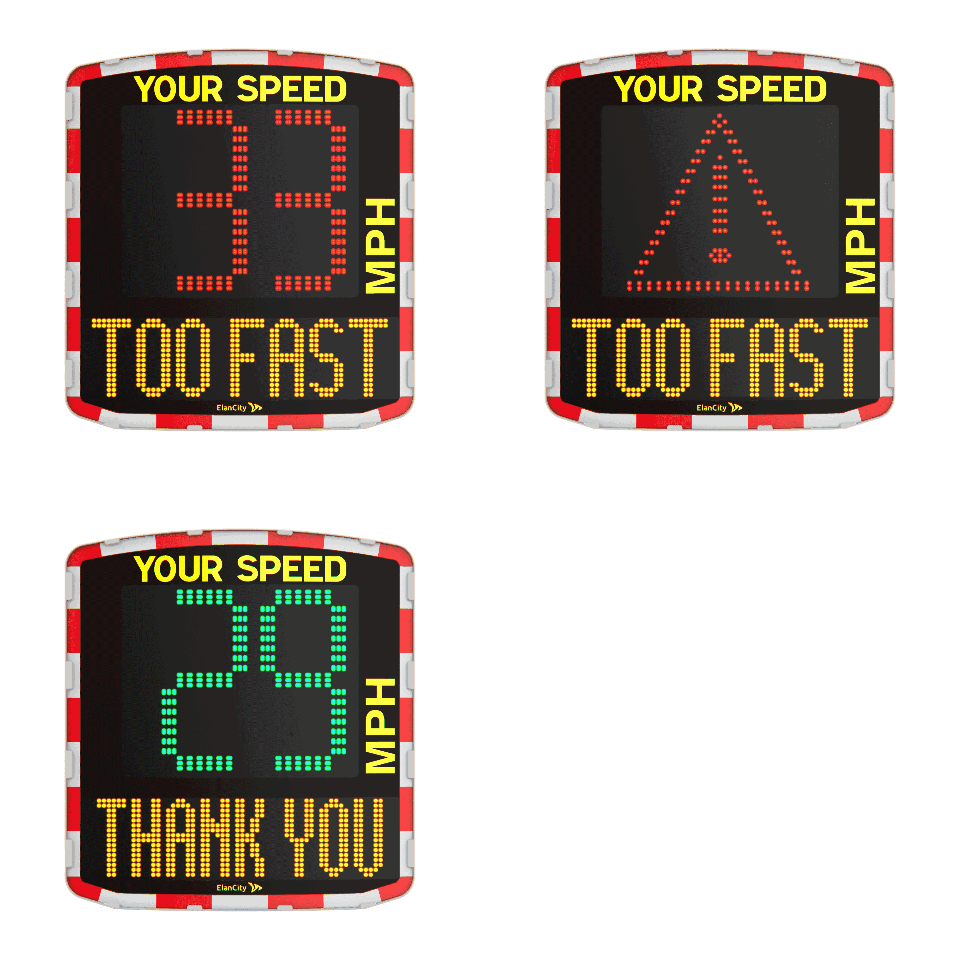
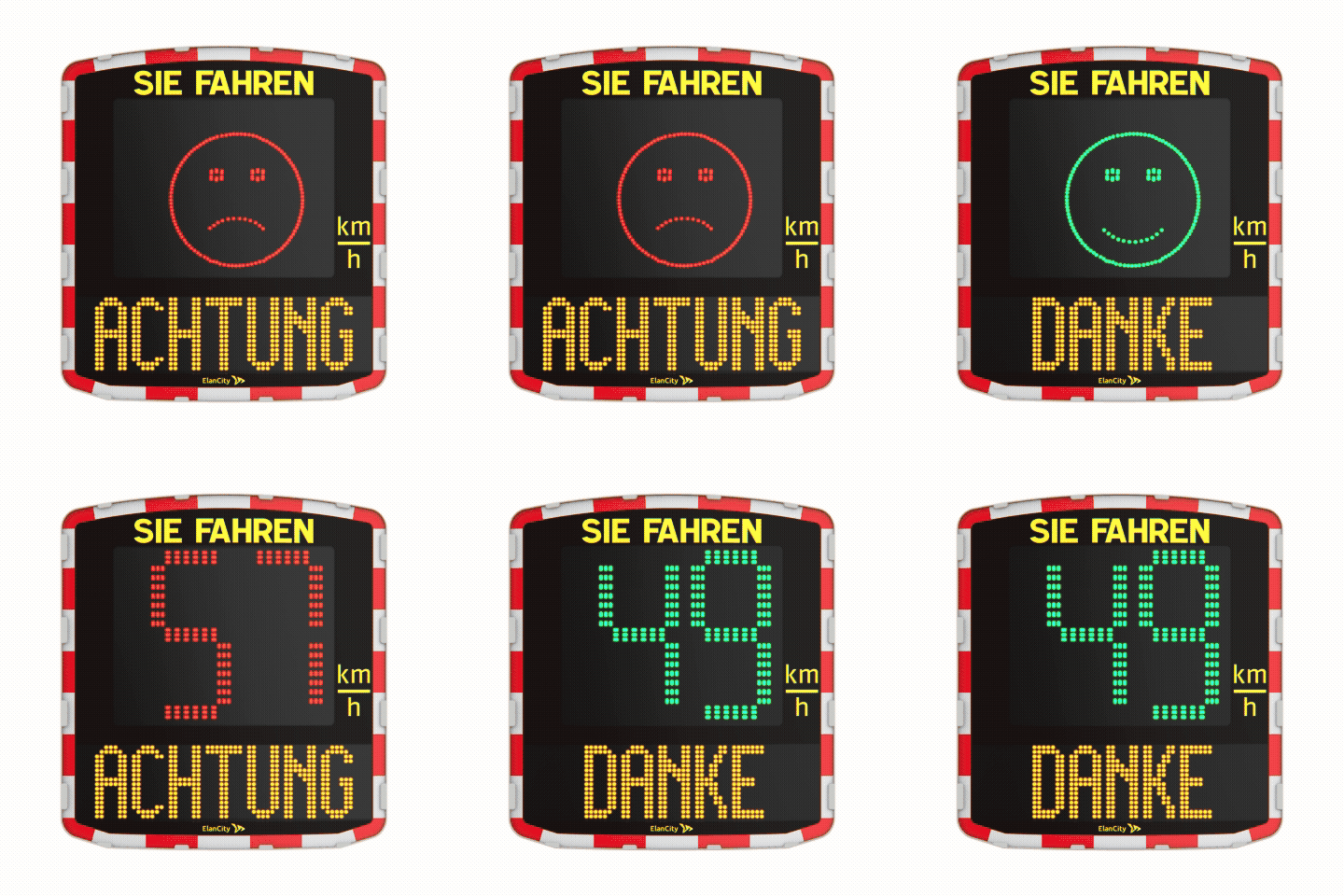
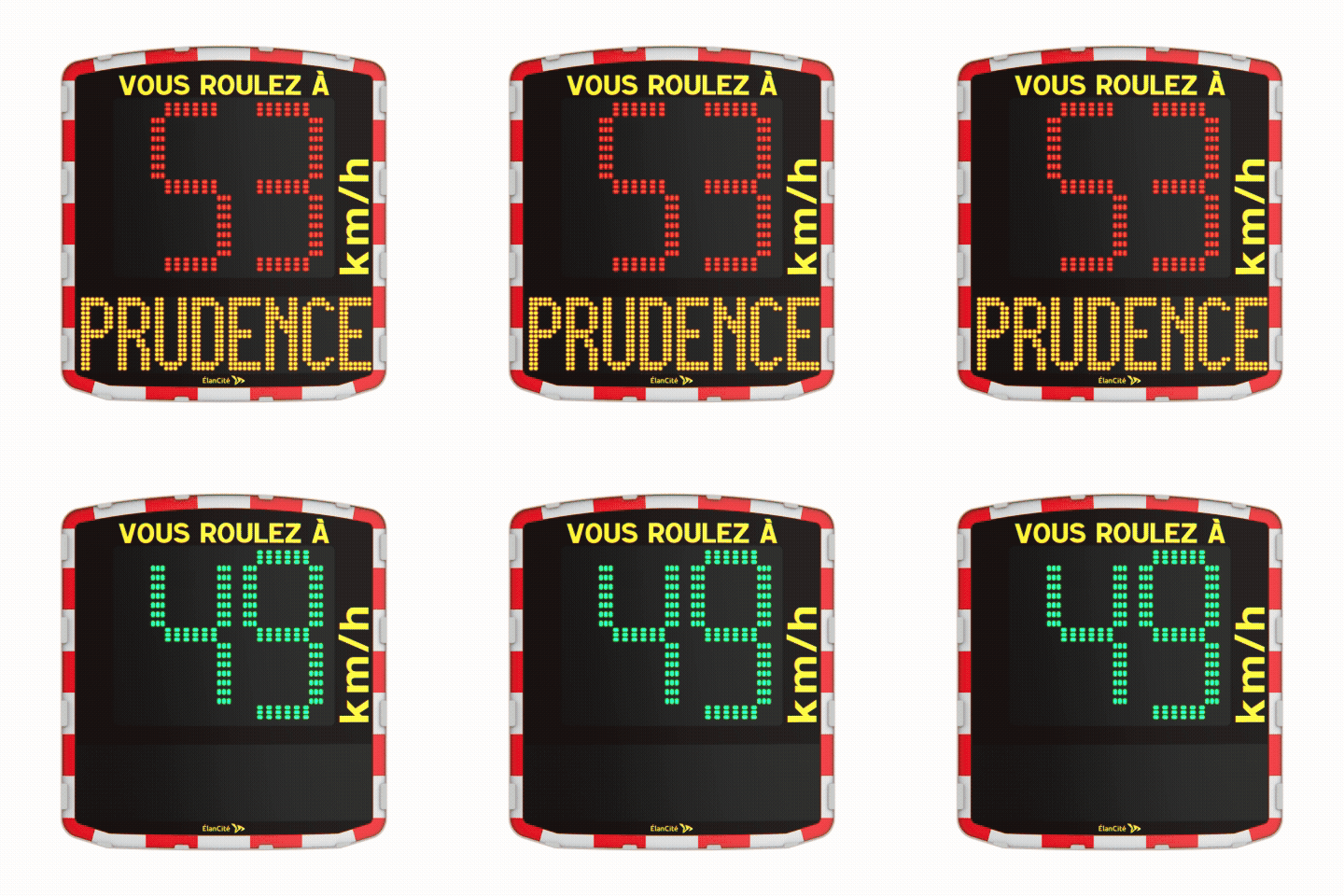
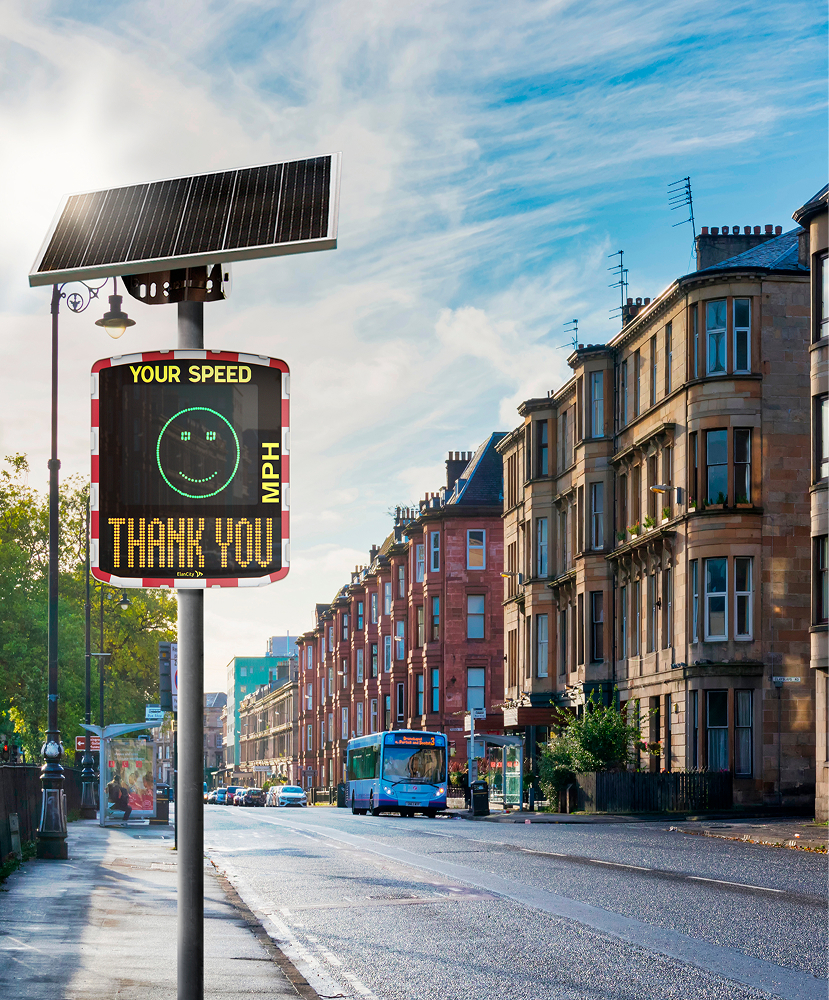
Beyond physical infrastructure, advanced technologies are playing an increasingly important role in traffic calming. Speed-feedback signs, for example, display a vehicle’s current speed and can be paired with flashing lights or changeable messages to remind drivers when they exceed the posted limit. For instance, the evolis radar speed sign is a popular choice among municipalities, as it combines both real-time feedback and durable functionality to improve speed compliance in various environments.
Research indicates that these interactive signs can reduce speeds by several miles per hour simply by raising driver awareness. Because they are low-impact and non-structural, they are easy to deploy and reposition as traffic patterns change.
Other technology-based approaches include enhanced curve delineation (such as improved striping and signage on horizontal curves), which helps drivers perceive curves as tighter and encourages slower speeds, and roundabouts, which use circular geometry and center islands to channel traffic at lower operating speeds. These measures can reduce severe crashes by up to about 80% in some cases. In addition, sensors, variable-message signs, and connected-vehicle systems can be used to adjust speed limits or provide real-time warnings during high-risk periods, such as school hours or inclement weather.
When combined with physical design changes, advanced technologies offer a layered approach to traffic calming that is less disruptive than frequent speed bumps while still effectively protecting pedestrians and residents.
The systematic use of speed bumps must be reconsidered in order to optimize road safety without unnecessarily harming the environment, user comfort, or the effectiveness of emergency services. It is essential to assess each situation, prioritize alternative solutions such as urban redesign or speed limits, and only use speed bumps when truly necessary. Every citizen can take action by alerting the authorities when speed bumps appear poorly placed or ineffective.
Effective alternatives to speed bumps include speed humps, speed tables, speed cushions, rumble strips, chicanes, lane narrowing, roundabouts, road diets, pinch points, and on-street parking. These methods can reduce vehicle speeds by 5-20 mph through vertical deflection, horizontal shifts, or visual cues.
Speed bumps are not ideal for arterial or collector roads, emergency, transit, or truck routes, cul-de-sacs, or steep and curved roads. They can delay emergency response times, damage vehicles, increase noise and pollution, reduce fuel efficiency, and fail to maintain long-term speed reduction.
The main drawbacks of speed bumps include increased noise pollution, higher fuel consumption and air emissions, potential damage to vehicles (especially those with low clearance), delays for emergency vehicles, traffic disruptions or diversions, ongoing maintenance costs, and aesthetic concerns that can lower property values.
Speed bumps can delay emergency vehicles by 2-10 seconds per hump, as studies show. For example, in Durham, fire trucks experience a delay of 10 seconds per hump, while in Montgomery, delays range from 2.8 to 7.3 seconds. These cumulative delays can worsen outcomes such as fire spread, reduce cardiac survival rates by 10% per minute, and hinder ambulance trips to and from hospitals. Using speed cushions or speed tables can help minimize these impacts.